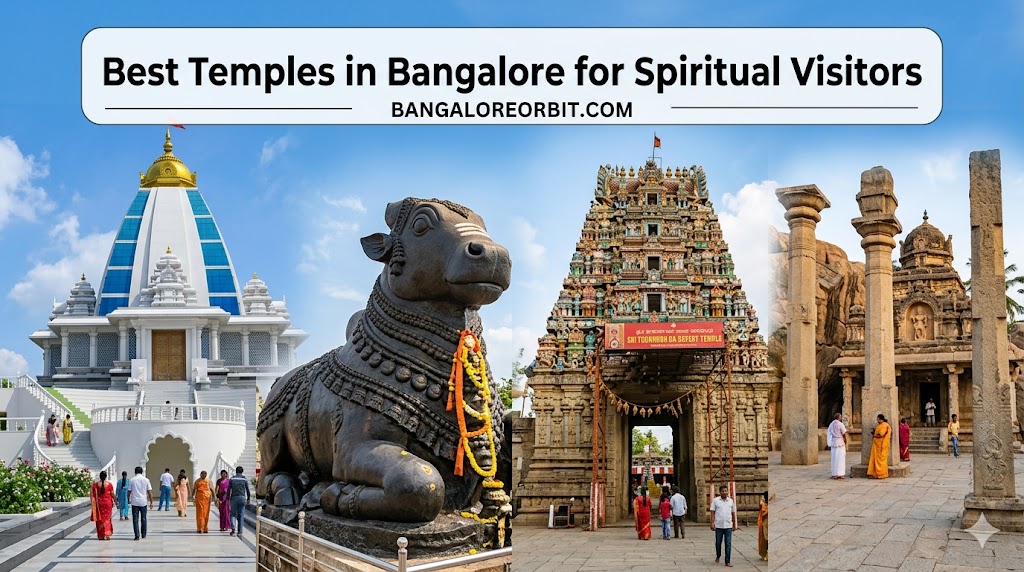
Introduction
Bangalore is widely known as India’s technology capital, but beyond its modern skyline lies a rich spiritual heritage that attracts thousands of devotees and travelers every year. The city is home to ancient temples, magnificent shrines, peaceful meditation centers, and sacred places that reflect centuries of religious tradition and cultural history. Whether you are a devotee seeking blessings, a traveler exploring local culture, or someone looking for a peaceful escape from daily life, Bangalore offers numerous temples that provide a deeply spiritual experience.
From ancient stone temples built by dynasties of the past to modern spiritual complexes that welcome visitors from around the world, Bangalore presents a unique blend of faith, architecture, and tradition. These sacred sites not only serve as places of worship but also preserve the city’s cultural identity and spiritual values.
Why Visit Temples in Bangalore?
Temples in Bangalore offer much more than religious worship. They provide opportunities to connect with history, culture, spirituality, and local traditions.
Some reasons to visit include:
- Experiencing spiritual peace and devotion
- Exploring centuries-old architecture
- Learning about Hindu traditions and rituals
- Participating in religious festivals
- Enjoying serene environments for meditation
- Discovering Bangalore’s cultural heritage
- Witnessing daily prayers and temple ceremonies
ISKCON Temple Bangalore
One of the most famous spiritual destinations in Bangalore, ISKCON Temple is dedicated to Lord Krishna and attracts visitors from around the world. The temple combines traditional spirituality with modern facilities and offers a peaceful environment for prayer and meditation.
Highlights
- Dedicated to Lord Krishna and Radha
- Magnificent architecture
- Daily bhajans and kirtans
- Spiritual lectures and programs
- Well-maintained temple complex
Visitor Experience
Visitors can participate in devotional singing, attend spiritual discourses, and enjoy the peaceful atmosphere. The temple is especially beautiful during evening prayers.
Bull Temple
The Bull Temple is one of Bangalore’s oldest and most respected religious landmarks. It is famous for its giant monolithic statue of Nandi, the sacred bull and vehicle of Lord Shiva.
Highlights
- Massive Nandi statue carved from a single rock
- Historic religious significance
- Traditional South Indian architecture
- Popular pilgrimage destination
Visitor Experience
The temple offers a calm environment where visitors can admire ancient craftsmanship while learning about local religious traditions.
Dodda Ganapathi Temple
Located near the Bull Temple, Dodda Ganapathi Temple is renowned for its large idol of Lord Ganesha. The temple attracts devotees seeking blessings for prosperity, success, and the removal of obstacles.
Highlights
- Large monolithic Ganesha idol
- Beautiful religious decorations
- Popular during Ganesh festivals
- Strong local devotional community
Visitor Experience
The temple’s welcoming atmosphere makes it an excellent destination for families and spiritual travelers.
Gavi Gangadhareshwara Temple
This ancient cave temple is one of Bangalore’s most unique spiritual attractions. Dedicated to Lord Shiva, it is famous for its remarkable architectural and astronomical features.
Highlights
- Natural cave structure
- Ancient rock-cut architecture
- Unique sunlight phenomenon during festivals
- Historical significance
Visitor Experience
Visitors are fascinated by the temple’s mysterious cave passages and centuries-old religious traditions.
Banashankari Temple
Dedicated to Goddess Banashankari, this temple is an important center of devotion for many local residents. The temple’s vibrant atmosphere and regular festivals attract large numbers of devotees.
Highlights
- Dedicated to Goddess Banashankari
- Traditional rituals and ceremonies
- Popular annual festivals
- Strong community participation
Visitor Experience
The temple provides an authentic glimpse into Bangalore’s living religious traditions.
Kote Venkataramana Temple
Kote Venkataramana Temple is a historic shrine dedicated to Lord Vishnu. The temple showcases traditional South Indian temple architecture and remains an important religious site in the city.
Highlights
- Beautiful Dravidian architecture
- Historic significance
- Traditional worship practices
- Peaceful atmosphere
Visitor Experience
Visitors can experience centuries-old traditions while appreciating the temple’s architectural beauty.
Chokkanathaswamy Temple
Among the oldest temples in Bangalore, Chokkanathaswamy Temple reflects the architectural influence of the Chola dynasty. It remains an important heritage and spiritual landmark.
Highlights
- Ancient stone carvings
- Chola-era architecture
- Historical inscriptions
- Rich cultural heritage
Visitor Experience
History enthusiasts and spiritual seekers alike enjoy exploring this remarkable temple.
Shivoham Shiva Temple
Shivoham Shiva Temple is famous for its towering statue of Lord Shiva and its focus on meditation and spiritual growth. It is a popular destination for both devotees and tourists.
Highlights
- Giant Shiva statue
- Meditation facilities
- Spiritual programs
- Peaceful surroundings
Visitor Experience
The temple offers a unique combination of worship, meditation, and spiritual education.
Ragigudda Anjaneya Temple
Situated on a hill, Ragigudda Anjaneya Temple is dedicated to Lord Hanuman. The elevated location provides beautiful views and a tranquil environment.
Highlights
- Dedicated to Lord Hanuman
- Hilltop location
- Scenic surroundings
- Popular religious celebrations
Visitor Experience
Visitors often combine spiritual activities with enjoying the peaceful hilltop atmosphere.
Sri Someshwara Temple
Sri Someshwara Temple is known for its ancient architecture and historical significance. Dedicated to Lord Shiva, it remains one of Bangalore’s most respected religious sites.
Highlights
- Historic stone architecture
- Traditional rituals
- Sacred Shiva temple
- Calm spiritual atmosphere
Visitor Experience
The temple offers a peaceful setting for prayer, reflection, and cultural exploration.
Temple Etiquette for Visitors
Following proper temple etiquette helps maintain respect for local customs and traditions.
Important Guidelines
- Dress modestly and respectfully
- Remove footwear before entering
- Maintain silence where appropriate
- Follow temple instructions
- Respect worshippers and rituals
- Avoid disturbing religious ceremonies
- Follow photography restrictions
Best Time to Visit Bangalore Temples
While temples can be visited throughout the year, certain times provide a more enjoyable experience.
Recommended Times
- Early morning for peaceful prayers
- Evening during aarti ceremonies
- Festival seasons for cultural experiences
- Winter months for comfortable weather
- Weekdays for fewer crowds
Spiritual Experiences Beyond Temple Visits
Bangalore offers several opportunities to deepen your spiritual journey.
Activities to Explore
- Meditation sessions
- Yoga programs
- Religious festivals
- Spiritual discourses
- Devotional music events
- Cultural celebrations
- Community service activities
Suggested One-Day Temple Tour in Bangalore
Morning
- Start with ISKCON Temple
- Visit Bull Temple
- Explore Dodda Ganapathi Temple
Afternoon
- Visit Gavi Gangadhareshwara Temple
- Explore Kote Venkataramana Temple
- Enjoy local South Indian cuisine
Evening
- Visit Ragigudda Anjaneya Temple
- Attend evening aarti at Shivoham Shiva Temple
- Conclude with meditation and reflection
Travel Tips for Spiritual Visitors
To make your temple journey more comfortable and meaningful, consider these practical suggestions.
Helpful Tips
- Carry comfortable footwear for walking
- Stay hydrated during visits
- Check temple timings beforehand
- Carry cash for offerings if desired
- Respect local customs
- Plan visits during cooler parts of the day
- Use public transportation or ride-sharing services when possible
Frequently Asked Questions
1. Which is the most famous temple in Bangalore?
ISKCON Temple is among the most famous temples in Bangalore due to its large scale, spiritual programs, and international popularity.
2. Are Bangalore temples free to visit?
Most temples in Bangalore offer free entry, although voluntary donations are welcomed.
3. What is the best time to visit temples in Bangalore?
Early mornings and evenings are generally considered the best times because the weather is pleasant and religious activities are most active.
4. Can tourists visit Bangalore temples?
Yes, tourists are welcome at most temples as long as they respect local customs and dress appropriately.
5. Are non-Hindus allowed inside temples?
Many temples welcome visitors of all backgrounds, though certain religious areas may have specific restrictions.
6. Which temple is best for meditation?
Shivoham Shiva Temple and ISKCON Temple are popular choices for meditation and spiritual reflection.
7. What should visitors wear to temples?
Modest and respectful clothing is recommended. Avoid overly revealing attire.
8. Which temple is best for learning about Bangalore’s history?
Chokkanathaswamy Temple and Sri Someshwara Temple offer valuable insights into Bangalore’s historical and architectural heritage.
9. Are temple festivals worth attending?
Yes, temple festivals provide a vibrant experience featuring rituals, music, decorations, and community celebrations.
10. Can visitors take photographs inside temples?
Photography policies vary. Always check temple guidelines before taking photographs.
Conclusion
Bangalore’s temples offer a remarkable blend of spirituality, history, culture, and architectural beauty. Whether you are seeking divine blessings, exploring historical landmarks, practicing meditation, or simply looking for peaceful places to visit, the city’s temples provide meaningful experiences for every traveler. From the grandeur of ISKCON Temple to the ancient heritage of Chokkanathaswamy Temple and the spiritual atmosphere of Shivoham Shiva Temple, each destination offers something unique. A visit to these sacred places allows travelers to discover a deeper and more peaceful side of Bangalore while gaining insight into the traditions that continue to shape the city’s cultural identity.
