
Bijapur District
Bijapur District |
|
About: |
|
|
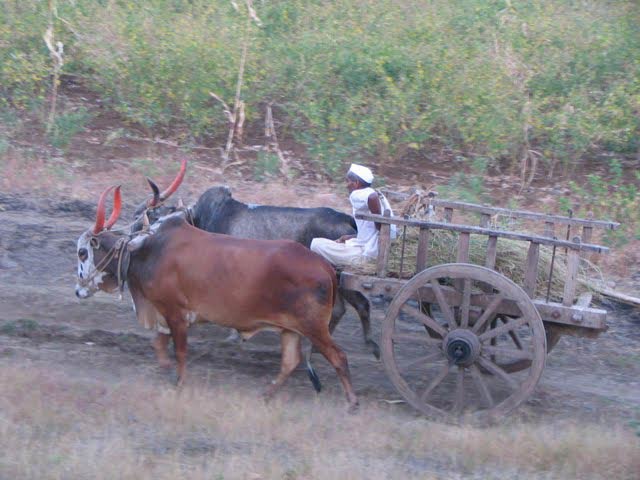
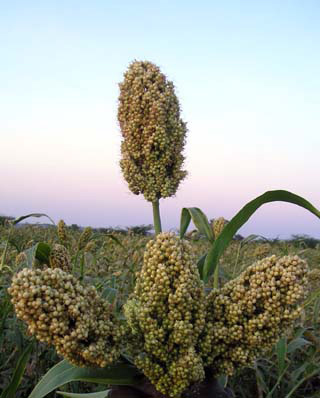
Bijapur is a land-locked district of Karnataka located on the northern boundary of the state. The district is bounded by Solapur district on the north and Sangli on the north-west (both of Maharastra state), by the district of Belgaum on the west, Bagalkote on the south, Gulburga on the East and by Raichur on the south-east. Bijapur is a district in the state of Karnataka in southern India. The city of Bijapur is the headquarters of the district, and is located 530 km northwest of Bangalore. Bijapur is well known for the great monuments of historical importance built during the Adil Shahi dynasty.Bijapur, the district head quarter of Bijapur district is a historic city which was laid during the reign of the Chalukya dynasty of Kalyani between the tenth and Eleventh centuries. They called it Vijayapure, the "City of Victory", from which comes its present name Bijapur. Geographically, the district lies in the tract of the Deccan Plateaus. The lands of the district can be broadly divided into three zones: the northern belt consisting of the northern parts of Bijapur Taluks of Indi and Sindagi; the central belt consisting of Bijapur city; the southern belt consisting of the rich alluvial plains of the Krishna Rivers parted from the central belt by a stretch of barren Trap. Bijapur District is in North Karnataka. It occupies an area of 17,069 sq km with a population of nearly 3 million. There are 125 ancient architectural temples and five rivers. The main crop in Bijapur is jowar and seasonal fruits such as grapes and pomegranate. It is famous for hand woven Ilkal sarees, and non-vegetarian preparations distinctly Mughlai, Hyderabadi, and milk sweets. There are many educational institutions such as Sainik School and many medical and engineering colleges. |
|
Location info: |
|
| 530 km northwest of Bangalore | |
Climate/Weather of Bijapur District: |
|
History of Bijapur District: |
|
|
The city established in the 10th-11th centuries by the Chalukyas of Kalyani was referred as Vijayapura (City of victory). The city came under the influence of the Khilji Sultanate in Delhi by the late 13th century. In 1347, the area was conquered by the Bahmani Sultanate of Gulbarga. By this time the city was being referred as Vijapur or Bijapur In 1518, the Bahmani Sultanate split into five splinter states known as the Deccan sultanates, one of which was Bijapur, ruled by the kings of the Adil Shahi dynasty (1490-1686). The city of Bijapur owes much of its greatness to Yusuf Adil Shah, the founder of the independent state of Bijapur. The rule of this dynasty ended in 1686, when Bijapur was conquered by the Mughal emperor Aurangzeb. In 1724 the Nizam of Hyderabad established his independence in the Deccan, and included Bijapur within his dominions. In 1760, the Nizam suffered a defeat by the Marathas, and ceded the region of Bijapur to the Maratha Peshwa. After the 1818 defeat of the Peshwa by the British in the Third Anglo-Maratha War, Bijapur passed into the hands of the British East India Company, and was assigned to the princely state of Satara. In 1848 the territory of Satara, along with Bijapur, was annexed to Britain's Bombay Presidency when the last ruler died without a male heir. The British carved a new district by the name Kaladagi. The district included present-day Bijapur and Bagalkot districts. Bijapur was made the administrative headquarters of the district in 1885, when the headquarters were moved from Bagalkot. |
|
Educational Institutions of Bijapur District: |
|
Educational Institutions in Bijapur
|
Medical & Health Science Colleges in Bijapur
Engineering Colleges
|
Langauge |
|
| Kannada ,Hindi,English,Other languages like Marathi, Urdu,Telugu and Gujarati are also spoken by small portion of population. | |
Culture of Bijapur District: |
|
|
People from the central Asian regions settled in this part, when they landed as part of the caravan with the muslium rulers. The local population is mainly a mix of Dravidian and Aryan descendants. Majority of people are Hindu Lingayats. But still in the urban areas one can find considerable population of Brahmin. However very little population of Muslim and Christian community can be found in the district. As per the 2001 census 3,34,254 people belong to the Scheduled Castes and 30,051 to the Scheduled Tribes. People belonging to the Lambani tribe have settled in the districts since long. The villages in which these groups live are referred as "Tandas"
|
|
How to reach Bijapur District? |
|
|
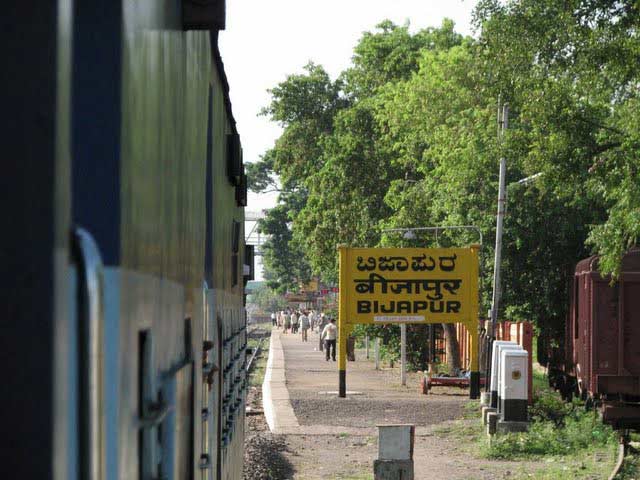
Nearest Railway Station:The railway line connecting Solapur in Maharastra and Hubli passes through the center of the district, via Indi and Basavan Bagewadi. Trains and Railway Stations
|
|
| Nearest Airport:Bangalore International Airport. | |
|
Road Transport:The National highway No.13 passes through the district in the eastern and central parts via Muddebihal and Bijapur. Bus Stations
|
|
Tourist Attraction |
|
|
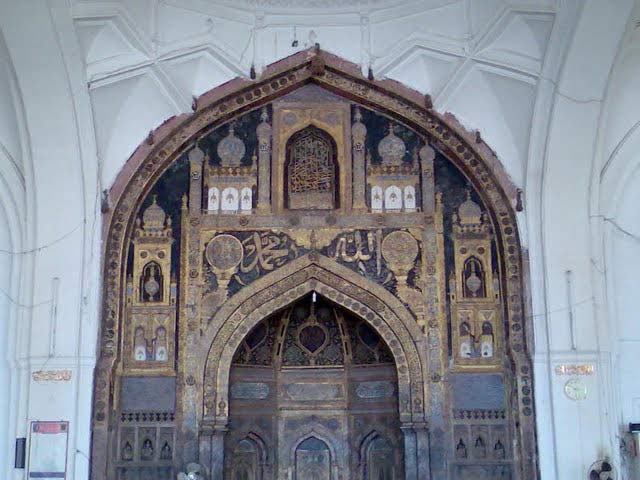
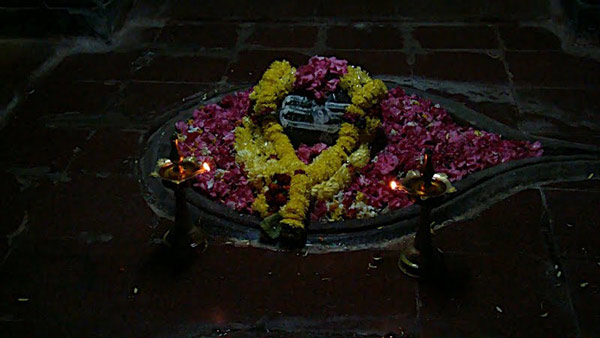
Sites to Visit: Gol Gumaz, Kudal Sangam, Bara Kaman, Gajanan Temple, Ibrahim Roza, Alimatti Dam, Uppali Burz, Siddeswar Temple, Malik Maidan Tof, Toravi Narashinha Temple,Jamia Masjid, Basavan Temple, Sangeeta Mahal, Taj Bawadi, Anand Mahal, Golgumaz Musiuem. Bijapur is rich in historical attractions: Jumma Masjid: Built by Ali Adil Shah I (1558-80) is one of largest Mosque in the region. It has a large hall, elegant arches, and an excellent dome with thirty-three smaller domes surrounding it. It has an exquisite copy of the Quran, written in gold.
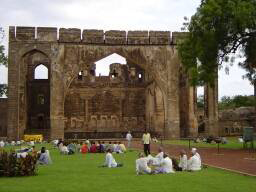
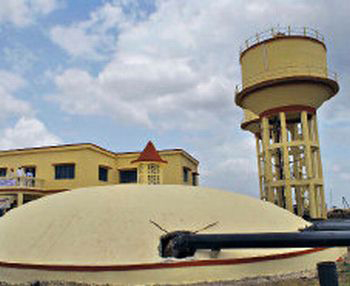
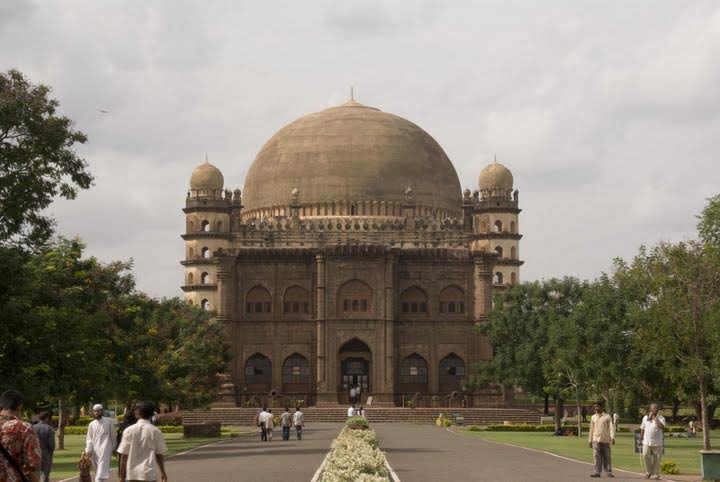
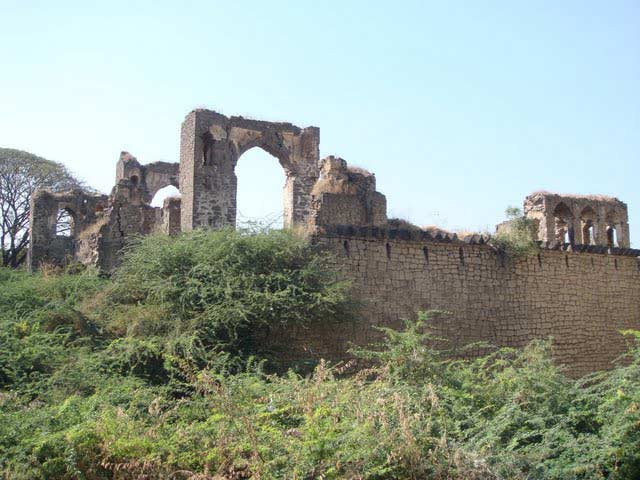
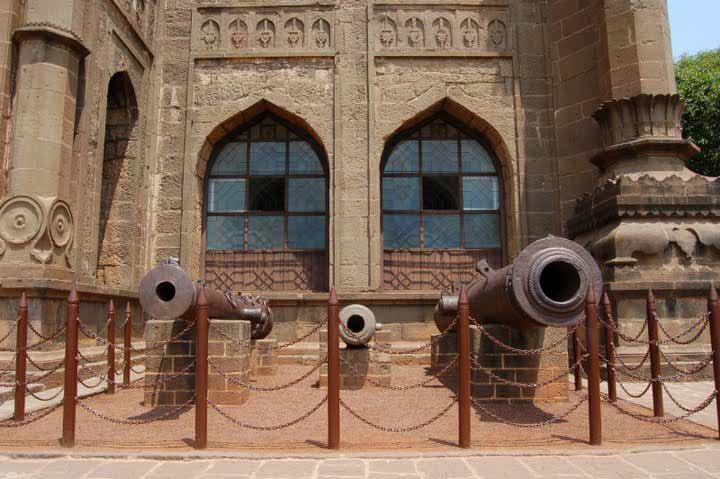
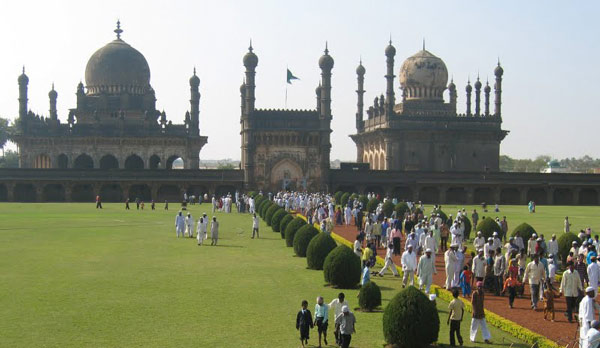
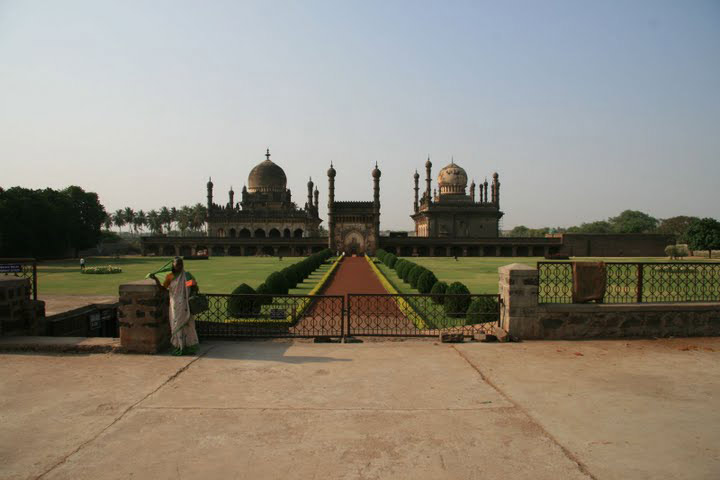
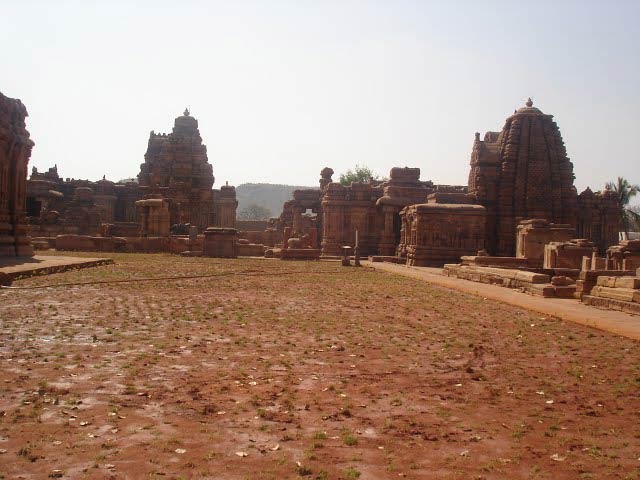
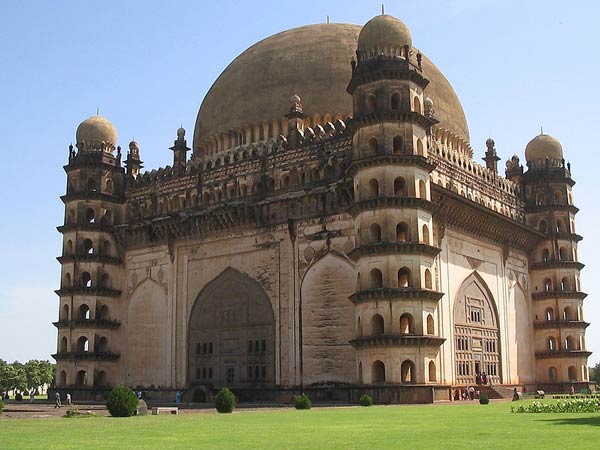
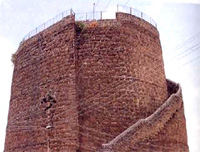
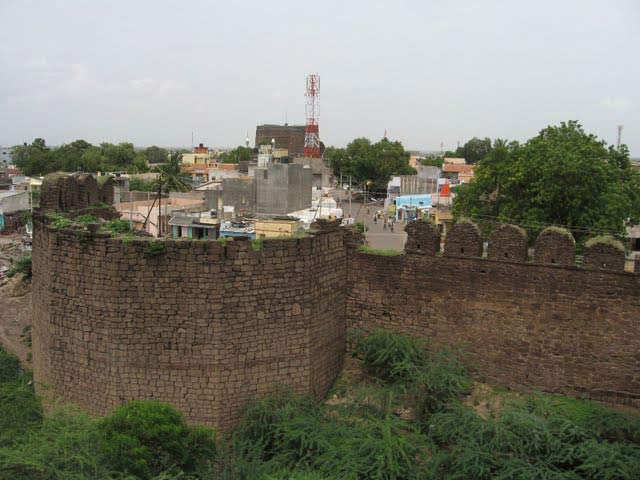
Gol Gumbaz: This is the most famous monument in Bijapur. It is the tomb of Mohammed Adil Shah (ruled 1627-1657). It is the second largest dome ever built. Jod Gumbad is situated off the Bagalkot Road, towards the south-west of Bijapur. It is a twin tomb of the general and the spiritual adviser of the Adil Shahi dynasty. The tomb has beautiful bulbous domes. The garden, in which these tombs are situated, is a famous picnic spot. Ibrahim Rauza: This is the tomb of Ibrahim Adil Shah II (ruled 1580-1627), the fifth king of the dynasty and, like the Mughal emperor Akbar, known for religious tolerance. Built on a single rock bed, it is noted for the symmetry of its features. Sherza Burj:One of the amazing structures around Bijapur, Sherza Burj was built by Sultan Ali Adilshah II in 1658. Placed between the Shahpur Gate and Makka Gate, this gate has a 14 ft long cannon known as Malik-I-Madian (the Monarch of the Plain), weighing about 55 tons. Upri Buruj:Built around AD 1584 by Hyder Khan, Upri Buruj is an 80 ft high tower standing to the north of Dakhani Idgah in Bijapur. This is a spherical structure with stone steps winding round the outside. It is equipped with old war materials, guns, powder chambers and water cisterns. Top of the tower offers a commanding view of the city. Chand Bawdi, Ali Adil Shah (1558-1580) built this tank near eastern boundary of Bijapur. When there was large influx of people into Bijapur after the fall of the Vijayanagar empire, and new settlements came up within the walled city raising the need for better infrastructure and providing water supply. This has a storage capacity of 20 million litres.There is also a 4 ft wide passage that runs along the four sides of the well. Rooms with windows facing the well can also be seen. Barakaman (Ali Roza-II) A mausoleum of Ali Roza built in 1672. It was previously named as Ali Roza, but Shah Nawab Khan changed its name to Bara Kaman as this was the 12th monument during his reign. Gagan Mahal, Which means Sky Palace, is built with a 21- meter facade and four wooden massive pillars, has a majestic central arch. Sikandar Adil Shah, in silver chains, surrendered to Aurangzeb in 1681 here.Gagan Mahal was the royal residence and darbar hall of Ali Adil Shah I. It has three magnificent arches and the central arch is the widest one. The Durbar Hall is located in the ground floor. It looks like an opera stage set, and is completely open on one side so that an audience outside the hall has an unobstructed view of the proceedings on the raised platform inside. Asar Mahal, The Asar Mahal was built by Mohammed Adil Shah in about 1646, which was used to serve as a Hall of Justice. The building was also used to house hairs from the Prophet's beard. Malik-e-Maidan (The Monarch of the Plains) the largest medieval cannon in the world. Being 4 m long, 1,5 m in diameter and weighing 55 tons, this gun was brought back from Ahmadnagar in the 17th century as a trophy of war by 400 oxen, 10 elephants and tens of men. Uppali Buruj, Built around 1584 by Hyder Khan, is an 80 ft (25 m) high tower standing to the north of Dakhani Idgah in Bijapur. This is a spherical structure with stone steps winding round the outside. Shri Shiddeshwar Temple situated at the heart of the city is a holy place for Hindus which is also a very beautiful tourist place to visit.Temple, one of the temples of Bijapur District is situated at the heart of the city. This is not only a holy place for Hindus but also a very beautiful tourist place to visit. During Makar Sankranti an annual fare is organized by Shri Siddheswar Temple. This fair is widely known for the cattle market, which is organized outside the city boundaries. The Kittur Rani Chenamma Theatre still stages dramas by professionals. However due to the decrease in the patronization the drama companies are closing down. Ninasam, (Shri Nilakanteshwara Nataka Sangha), an experimental theatre troupe started by K.V.Subanna visit Bijapur and show case their art during the Ninasam "Tirugata"(meaning: Wandering in kannada) Kandgal Hanumantharayara Ranga Mandira on the station road, serves as the centre of art of culture Jain Rashtrakuta Temple is situated about 1 km south of the Pattadakkal village. It is an important pilgrim center which dates back to the Rashtrakuta period. In the vicinity also lies a group of eight temples, representing two chief styles of Indian architecture, which includes Kadasiddheshwara, Jambulinga, Galaganatha, Sangameshwara and Kashivishwanath Temples. Ali Rouza, the last resting place of Ali Adilshah, is the oldest royal mausoleum in Bijapur. The tomb is in the central chamber, which is enclosed within a row of five arches. The side arches have a series of lancet-shaped windows allowing light and wind to pass into the chamber. The roof is flat and surrounded by a plain masonry parapet. Anand Mahal:Built by Adil Shah II in 1589, located in the palace area of the Adil Shahi rulers, 530 kms to the northwest of Bangalore, is Anand Mahal, one of the most beautiful buildings in Bijapur. Surrounded by verdant gardens and numerous fountains, this palace has richly decorated walls, spacious rooms, a royal central hall and a grand frontal hall. Taj Bawdi:This great tank was built to commemorate Ibrahim II 's first wife Taj Sultana.Its front is a majestic arch flanked by 2 octagonal towers, the east & west wings of the towers form spacious rest houses. KUDALA SANGAMA most historic place since around 800 years. The famous rivers Krishna and Ghataprabha merge here and flows towards Srisaila (another historic palce) of Andra Pradesh. To improve this historic place, Government has established a Kudala Sangama Development Board and provided nearly Rs. 45.00 Crores to develop this places has one of the most sought piligrim centre. GAJANAN TEMPLE:This mansion was constructed by Ali Adil Shah I in 1561. It served as a royal palace for some time.There are three magnificent arches, the central one being the widest. The ground floor was the Durbar Hall and the first floor, now in ruins, was the private residence of the Royal family. Bara Kamaan:This unfinished mausoleum of Ali Adil Shah, if completed, might have surpassed all others of its kind. Its 12 graceful arches which give it the name Bara Kamaan, makes one feel the power of time & death. Among the other historical attractions at Bijapur, some notable ones are the Anand Mahal, Jod Gumbaz, Sat Manzil, and Jal Manzil. |
|
Hotels/Lodge/Accommodation nearby Bijapur District: |
|
|
|
Links |
|
| http://en.wikipedia.org/wiki/Bijapur_district | |
Bijapur District Major Attraction |
| Bijapur Archeology |
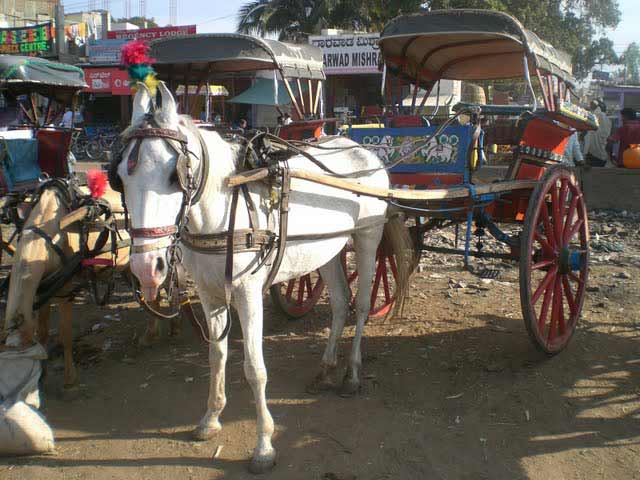
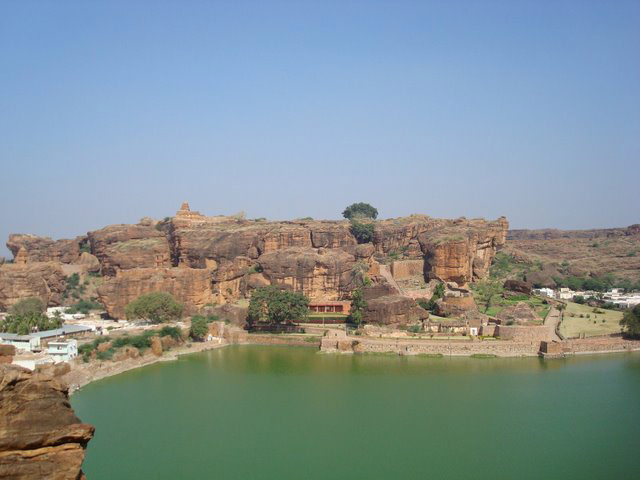
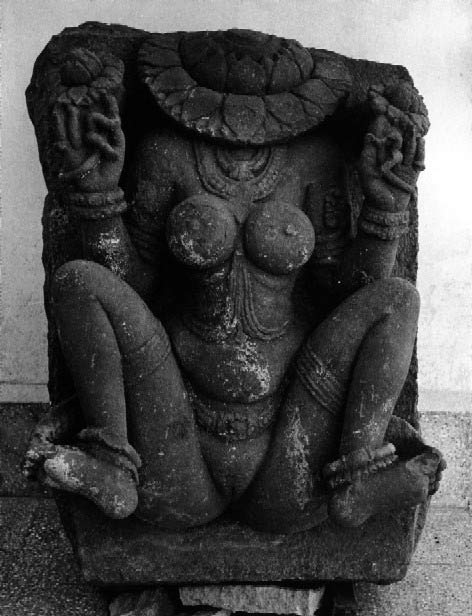
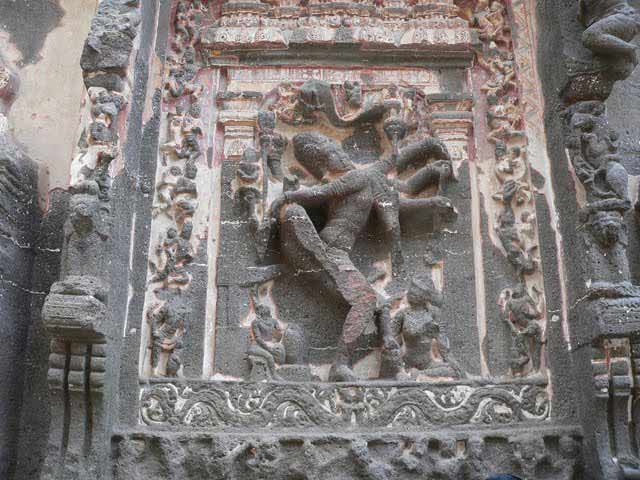
| It is one of the specially fascinating places in the South . Pattadakal and Aihole nearby are also worth seeing. Unspoiled by tourism because of bad roads and poor accommodation one should take a train to Sholapur then change to a local train via Bijapur. Hire a tonga from the station into the city to enjoy the beautiful tree-lined roads.....more |
| Bijapur Historical |
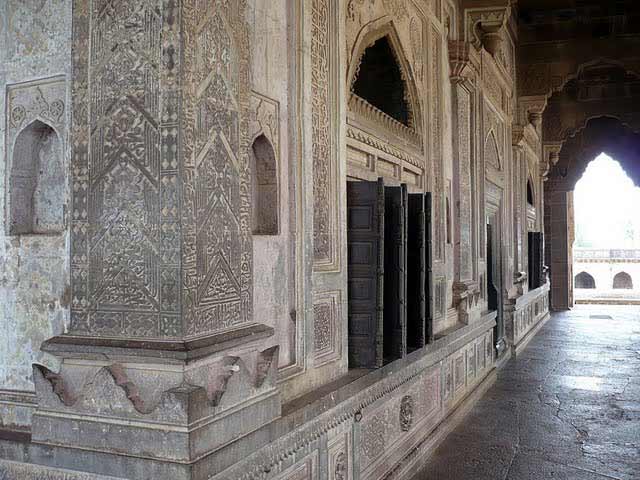
| Bijapur district is one of the largest districts in Karnataka state. Bijapur has many places of historical, cultural and architectural interest mainly related to Islamic architecture. Bijapur district is located in the northwest part of the state of Karnataka state and it is 613 km from Bangalore city.....more |
| Almatti Dam |
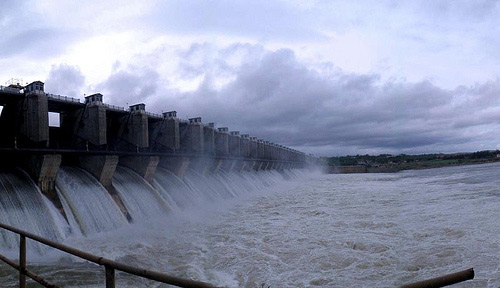
| Alamatti is In Bijapur district B.Bagewadi Taluk. Dam hight is raised from 509 to 519 M [ SC order on April 26, 2000 ]. Under the present scheme, Karnataka has been allocated 700 tmcft of Krishna river water.The Upper Krishna Project [ Alamatti Dam ] across the river Krishna, provides for irrigation to the drought prone areas of Bijapur, Bagalkote, Gulbarga, Raichur and Koppal Districts.....more |
SELECT YOUR HOLIDAY DESTINATION
-
Aero Sports in Karnataka
-
Archaeology in Karnataka
-
Beaches in Karnataka
-
Bird Sanctuaries in Karnataka
-
Bouldering Spot in Karnataka
-
Camping in Karnataka
-
Cave Explorations in Karnataka
-
Culturals Place in Karnataka
-
Dams in Karnataka
-
Districts Of Karnataka
-
Fairs in Karnataka
-
Festivals in Karnataka
-
Go-Karting in Karnataka
-
Hill Stations in Karnataka
-
Historical Places in Karnataka
-
Holiday Resorts in Karnataka
-
Islands in Karnataka
-
Landscape in Karnataka
-
Mountain Biking in Karnataka
-
National Parks in Karnataka
-
Orbit Network
-
Pilgrims Destinations
-
Para-sailing in Karnataka
-
River rafting in Karnataka
-
Rivers in Karnataka
-
Rock Climbing in Karnataka
-
Safari in Karnataka
-
Temples in Karnataka
-
Trekking in Karnataka
-
Water Sports in Karnataka
-
Waterfalls in Karnataka
-
Wildlife Sanctuaries in Karnataka